
Pediatric Dentist Sonipat: A Practical Guide to Healthy Teeth and Positive Dental Visits
22 September 2026
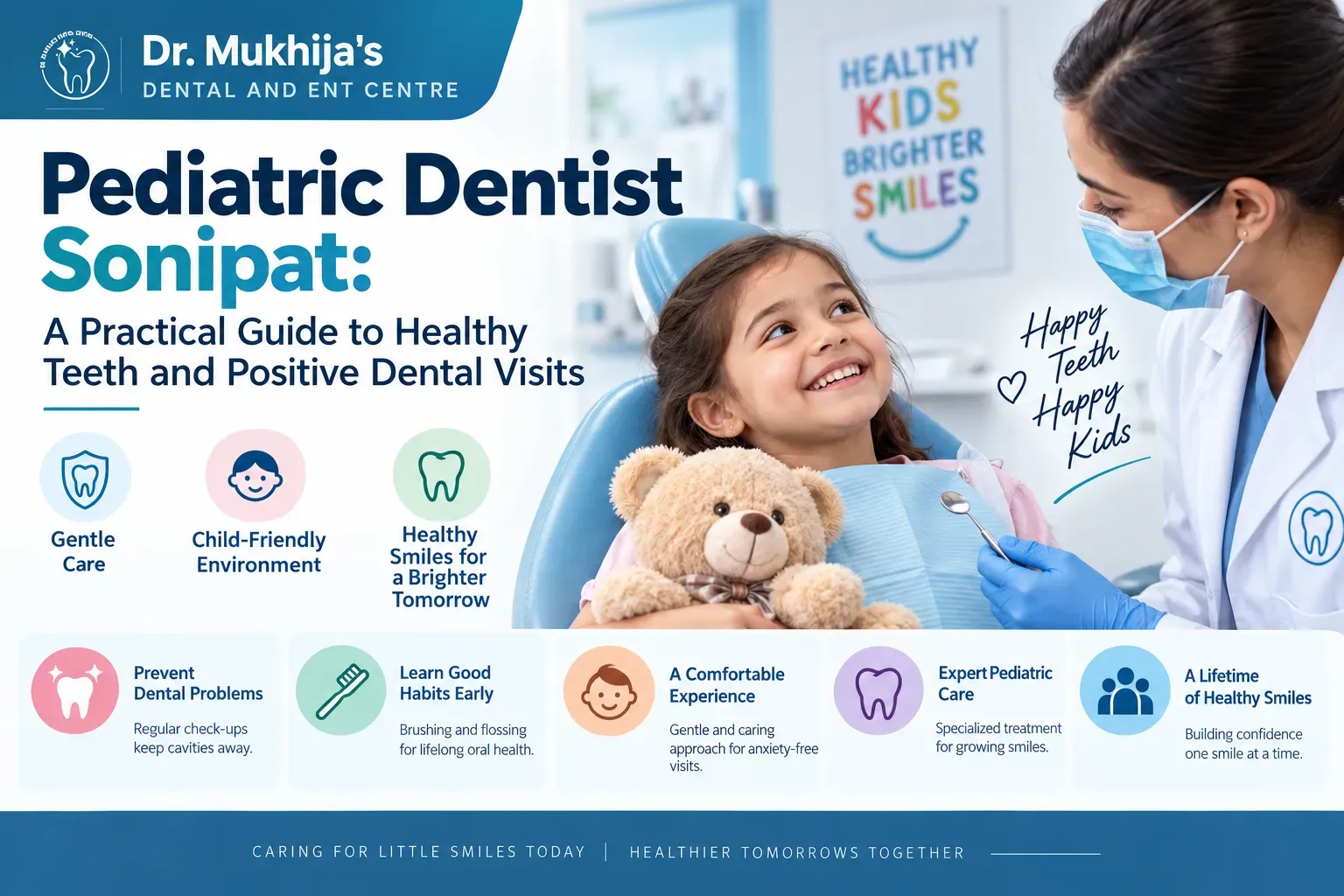
Children need dental care that considers more than teeth alone. Their mouths change rapidly as primary teeth appear, permanent teeth develop, and jaw growth progresses. Early dental visits can help identify problems before they become complicated while also teaching children comfortable daily habits.
Parents searching for a pediatric dentist in Sonipat often want guidance on preventive care, common childhood dental concerns, dental anxiety, and the right time to arrange appointments. Understanding these areas can make dental care a more natural part of a child's routine.
When Should a Child First Visit the Dentist?
A child's first dental visit is useful soon after the first teeth appear and no later than the early toddler years. An early appointment allows the dentist to examine developing teeth, discuss brushing, and explain feeding and oral hygiene habits. Regular visits can then be planned according to the child's individual needs.
Starting early also gives children an opportunity to become familiar with the dental environment before they experience a significant dental problem. Choosing a pediatric dentist in Sonipat early can also help parents establish a consistent preventive schedule.
Why Children Need Specialized Dental Care
Children are not simply smaller versions of adult dental patients. Their teeth, jaws, behavior, communication needs, and stages of development are different. A pediatric-focused dental approach considers these factors during examination and treatment.
A Pediatric Dentist Sonipat can also help parents understand how primary teeth influence chewing, speech, space for permanent teeth, and overall oral development. Gentle communication can make appointments easier for both children and parents.
Preventive Dental Care for Children
Prevention is an important part of childhood dentistry. Regular brushing with an age-appropriate fluoride toothpaste, cleaning between teeth when appropriate, balanced eating habits, and routine dental examinations can reduce the risk of cavities and gum problems.
Parents should supervise brushing for young children because they may not have the coordination needed to clean every surface effectively. Establishing a consistent routine is often more useful than relying on occasional intensive cleaning.
Common Dental Problems in Childhood
Tooth decay is one of the most common concerns during childhood, but it is not the only issue. Children may experience tooth sensitivity, dental injuries, gum irritation, enamel defects, or problems related to tooth eruption. Habits such as prolonged thumb sucking or frequent exposure to sugary drinks can also affect oral health.
Early evaluation helps determine whether a concern requires monitoring, preventive care, or treatment.
Managing Dental Anxiety
Some children feel nervous about visiting a dentist, especially if they have never experienced dental care before. Parents can help by using simple and positive language without describing treatment in frightening terms. Keeping explanations age appropriate can build confidence.
During an appointment, the dental team can introduce instruments and procedures gradually. A calm environment and predictable communication may help children develop a more comfortable attitude toward future visits.
Dental Care During the Mixed-Dentition Years
There is a period when children have both primary and permanent teeth. This stage is important because the mouth is changing quickly. Dentists can monitor eruption patterns, spacing, bite development, and oral hygiene.
A pediatric dentist in Sonipat can identify signs that may need observation or early orthodontic intervention. Regular examinations during these years can provide useful information about how the child's teeth and jaws are developing.
Nutrition and Children's Oral Health
Food choices can influence the condition of developing teeth. Frequent sugary snacks and drinks can increase exposure to acids that contribute to tooth decay. Water is generally a useful everyday drink, while meals and snacks should be planned with overall nutrition in mind.
Parents should also remember that sticky foods can remain on tooth surfaces longer. Good nutrition supports general growth while sensible eating habits can also support oral health.
What Parents Should Discuss at Dental Visits
Parents should tell the dentist about any tooth pain, sensitivity, bleeding gums, mouth injuries, grinding, unusual habits, or changes they have noticed. Questions about brushing technique, fluoride, eruption, orthodontic development, and preventive treatments are also appropriate. Keeping a record of previous dental treatment can be helpful.
Open communication allows the dental team to tailor advice to the child's age, oral condition, and individual development. During these appointments, a pediatric dentist in Sonipat can explain age-specific oral care in practical terms.
Building Healthy Habits for the Future
Good childhood dental care is not limited to treating cavities. It is about building habits that can continue through adolescence and adulthood. Children who become comfortable with brushing, healthy eating, regular examinations, and basic oral hygiene are better prepared to care for their teeth as they become more independent.
If parents are considering a children's dentist in Sonipat, choosing care that emphasizes prevention, communication, and age-appropriate guidance can support a positive long-term dental routine.
Book Your Visit
Fill out the form below and we will contact you immediately.