
Tooth Extraction Sonipat: What to Expect Before, During, and After Tooth Removal
22 September 2026
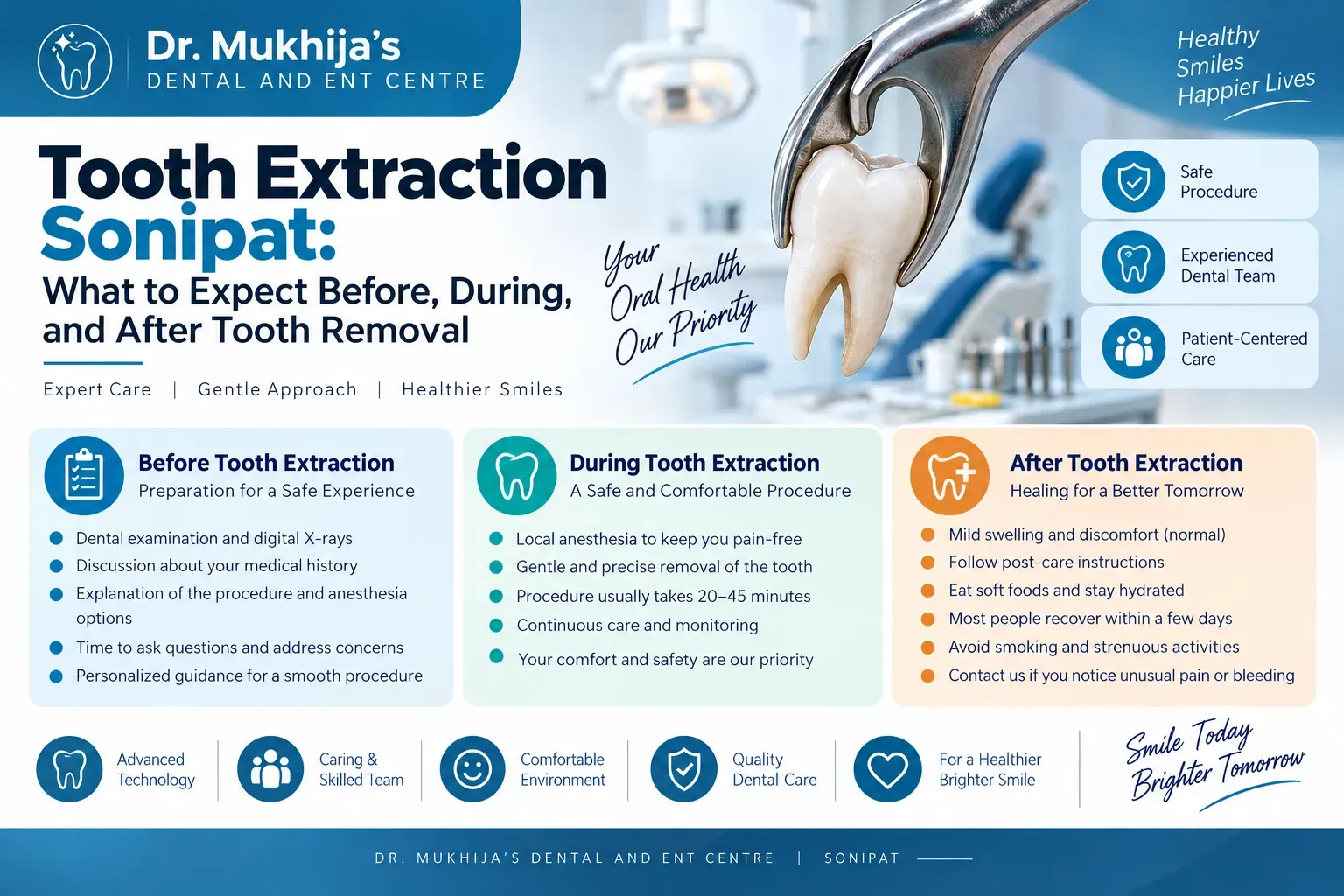
A damaged or painful tooth can affect eating, speaking, sleep, and everyday comfort. Dentists usually try to preserve natural teeth whenever possible, but removal may be considered when a tooth cannot be predictably restored or is causing significant problems.
People researching tooth extraction in Sonipat often want to understand why extraction is recommended, what happens during the appointment, and how recovery works. Knowing the basic process can make it easier to discuss treatment choices, possible alternatives, and aftercare with a qualified dentist.
When Can a Tooth Need Extraction?
Extraction may be considered for severe tooth decay, extensive fractures, advanced gum disease, certain impacted teeth, or infections that cannot be managed adequately with restorative treatment. In some orthodontic cases, removal may also be recommended to create space. However, the reason differs for every patient.
A dental examination and, when appropriate, X-rays help the dentist assess the tooth, roots, surrounding bone, and nearby structures before recommending removal.
Simple Extraction and Surgical Extraction
Not every extraction is performed in the same way. A simple extraction generally involves a tooth that is visible and accessible above the gumline. A surgical extraction may be required when a tooth is broken near the gum, impacted, or difficult to access.
Anyone considering tooth extraction in Sonipat should ask which approach is expected and why. The complexity of treatment can influence appointment length, aftercare, and recovery.
What Happens Before the Procedure?
Before treatment, the dentist reviews the affected area and relevant medical information. Patients should mention medicines they take, allergies, previous reactions to dental treatment, and important health conditions. The dentist can then explain the planned procedure and anesthesia options.
This is also the right time to ask about alternatives to extraction, potential risks, expected recovery, and whether the missing tooth may eventually need replacement.
What Happens During Tooth Removal?
Local anesthesia is commonly used to numb the treatment area. During an uncomplicated extraction, the dentist carefully loosens and removes the tooth using appropriate dental instruments. Surgical cases can require additional steps depending on the tooth's position.
Patients may notice pressure or movement even when the area is numb. If significant pain is felt during the procedure, it should be communicated to the dental professional immediately.
The First 24 Hours After Extraction
A blood clot normally forms in the socket after the tooth is removed and plays an important role in healing. Patients are generally advised to follow their dentist's instructions closely and avoid disturbing the area. Vigorous rinsing, forceful spitting, smoking, and drinking through a straw may interfere with the clot.
People undergoing tooth extraction in Sonipat should use only the pain-relief or other medication recommended for their individual situation.
Eating and Oral Hygiene During Recovery
Soft foods are often easier during early recovery. Patients should avoid chewing directly over the extraction site until it becomes comfortable to do so. Oral hygiene remains important, but the healing socket needs gentle care.
Brushing other teeth normally while following specific instructions for the extraction area can help maintain cleanliness. Recommendations may vary according to the procedure, so personalized dental guidance should take priority over general advice.
Warning Signs That Need Dental Attention
Some soreness and swelling can occur after an extraction, especially after a more involved procedure. However, worsening or severe pain, persistent heavy bleeding, fever, increasing swelling, difficulty breathing or swallowing, or other unexpected symptoms require prompt dental attention.
A dentist can determine whether healing is progressing normally or whether further treatment is needed. Patients should keep any recommended follow-up appointment, particularly after surgical removal.
What Happens After the Tooth Is Gone?
The long-term plan depends on which tooth was removed and why. Some spaces may not require replacement, while others can affect chewing, appearance, or tooth alignment. Replacement options can include a dental implant, bridge, or removable prosthesis when clinically appropriate.
During a tooth extraction consultation in Sonipat, patients can ask whether replacement is necessary and when the area may be ready for the next stage of treatment.
Making an Informed Dental Decision
Tooth removal is a common dental procedure, but it should still be based on an individual diagnosis rather than symptoms alone. A proper examination helps clarify whether a tooth can be saved, whether extraction is appropriate, and what type of procedure may be required.
If tooth extraction in Sonipat is being considered, understanding the reason for removal, expected recovery, possible complications, and future treatment choices can help patients have a clearer conversation with a dentist in Sonipat.
Book Your Visit
Fill out the form below and we will contact you immediately.